
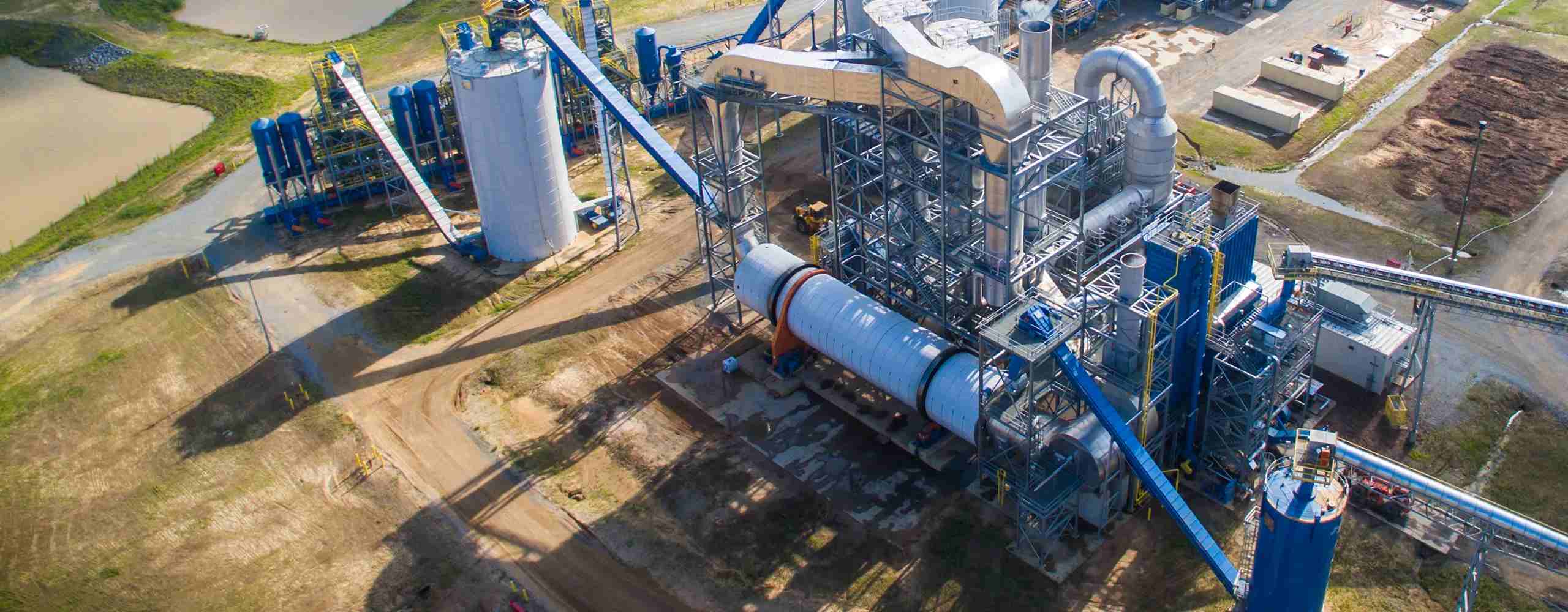
Organic Fertilizer Production Line
The organic fertilizer production line utilizes various raw materials such as manure, crop residues, industrial by-products, bacterial residues, garden waste, and municipal organic waste. Through multiple processing stages, it produces granules that enhance soil water and nutrient retention.
1–60 T/H bio organic fertilizer production line Solution
The RICHI organic fertilizer production line offers a production capacity ranging from 1 to 60 tons per hour , capable of meeting the diverse production needs of animal farms, food companies, wastewater treatment plants, and more.
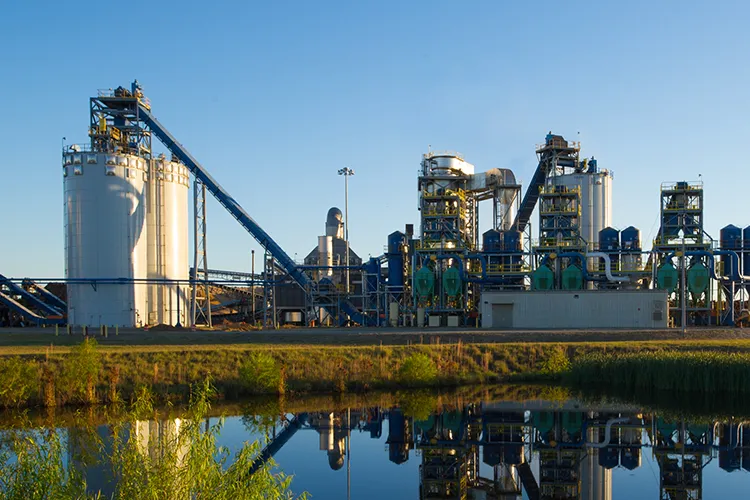
Construction Cost of Organic Fertilizer Production Line
The total investment cost for a complete set of RICHI organic fertilizer production line typically ranges from $20,000 to $1.5 million. The specific investment amount depends on various factors, including raw material type, production goals, equipment configuration, and the level of production line automation.
Furthermore, in addition to the investment required for the production line itself, it is also necessary to consider costs such as factory construction, site preparation, raw material transportation, subsequent operational expenses, as well as actual sales profits.
If you require a specific investment cost quotation, please contact RICHI to obtain a detailed quote.
Production capacity
(tons/hour)
1-60
Pellet size
(mm)
2-12
Features and Advantages
The RICHI bio organic fertilizer production line is built around your needs, delivering a superior production experience, denser finished products, and improved operational efficiency.
Refined Details
RICHI Machinery prioritizes precision in every detail. The fermentation stage is equipped with a dedicated trough-type turner, ensuring smoother and more user-friendly operation.
Versatile Production
RICHI Machinery focuses on multi-functional production lines, enabling a single line to simultaneously produce powder, granular and blended fertilizers to meet diverse application needs.
Premium Fertilizer Quality
RICHI is committed to manufacturing high-quality finished pellets, delivering fully decomposed organic fertilizer with enhanced nutrient content and remarkable soil enrichment effects.
Exclusive Process
RICHI adopts advanced low-temperature drying technology to reliably preserve microbial activity in organic fertilizer, thereby achieving a stable and consistently high survival rate of over 90% for beneficial viable bacteria.
Proven Experience
Backed by 30 years of expertise in mechanical design, manufacturing and processing, RICHI’s professional installation and technical teams ensure an optimal production line construction experience.
Customized Solutions
To fully meet the varying requirements of clients for organic fertilizer production lines, RICHI assigns dedicated professionals to provide one-on-one consultation and tailored planning services.

Types of Organic Fertilizer Production Lines
RICHI offers a comprehensive range of bio organic fertilizer production lines, including animal manure organic fertilizer production lines, distillers’ grains organic fertilizer production lines, food waste organic fertilizer production lines, agricultural waste organic fertilizer production lines, seaweed organic fertilizer production lines, and more. As long as your feedstock belongs to the biomass category, RICHI can tailor a dedicated production solution for you.
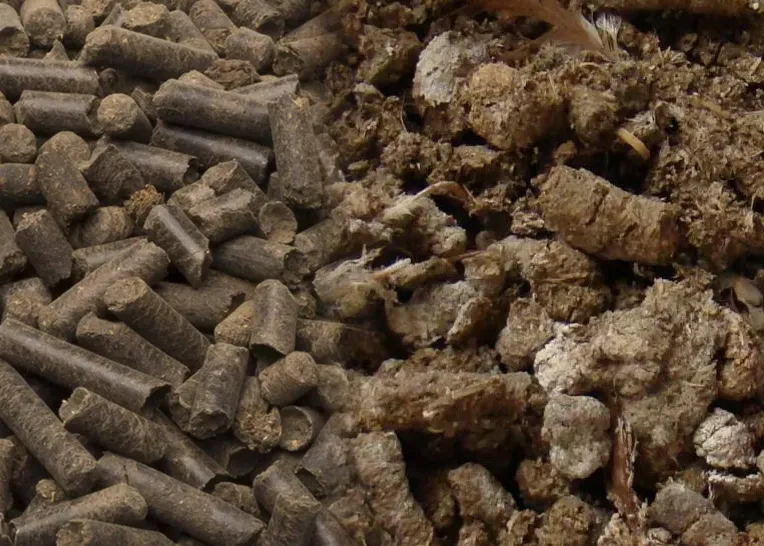
animal manure
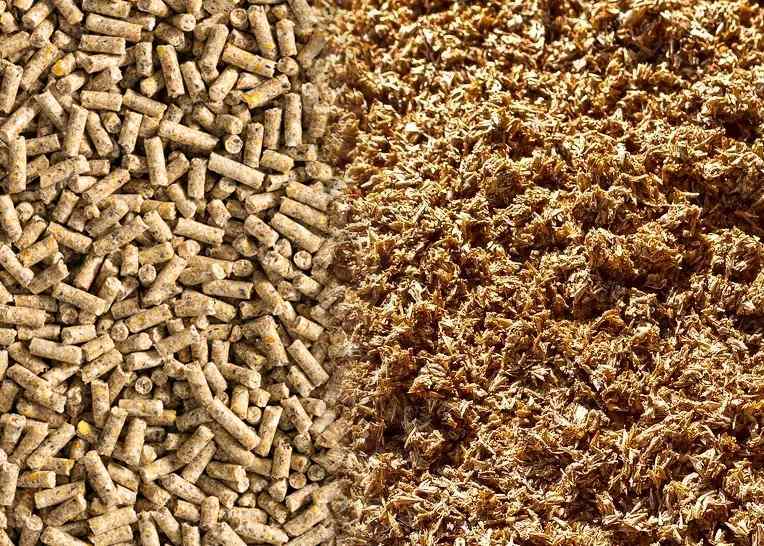
distillers’ grains
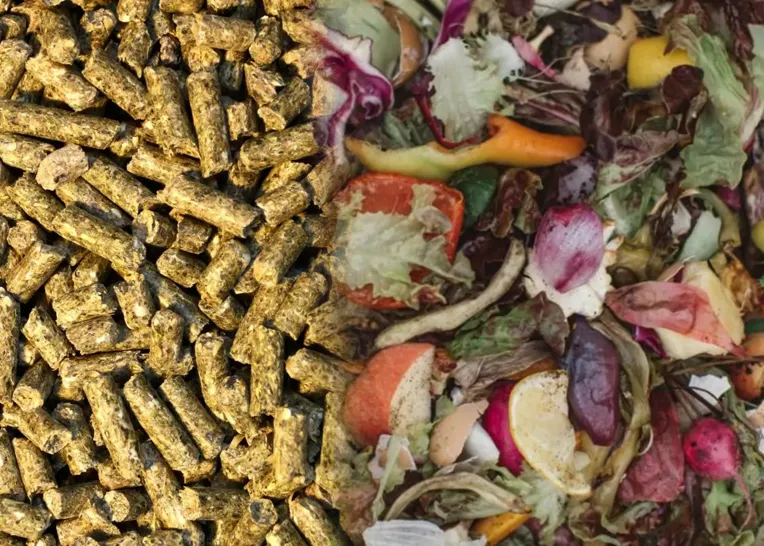
food waste
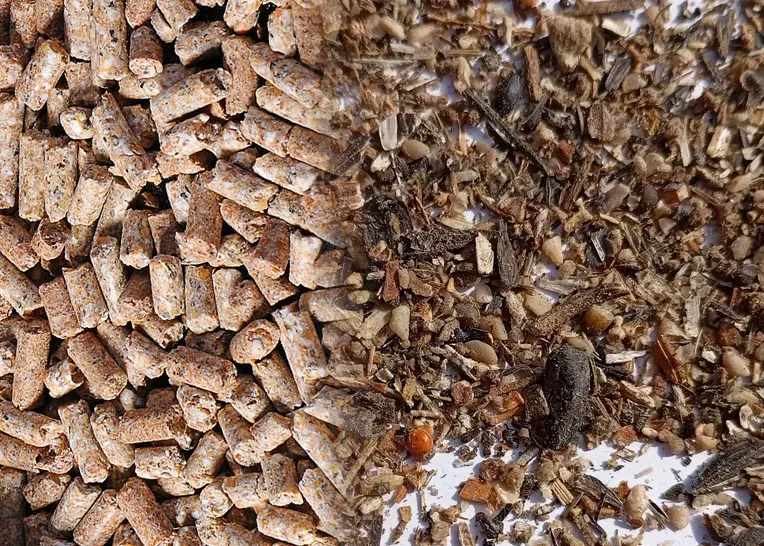
agricultural waste
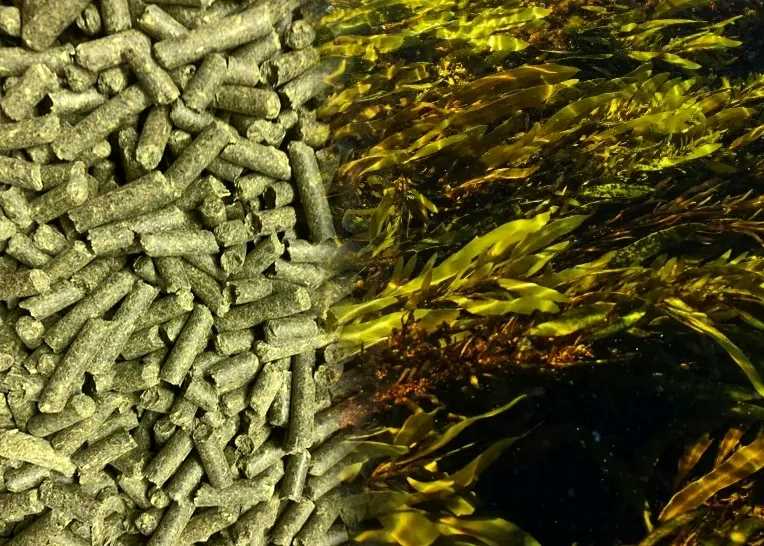
seaweed
Workflow of Organic Fertilizer Production Line
Organic fertilizer production involves eight core stages: pre-treatment, mixing, fermentation, crushing, granulation, drying, cooling & screening, and packaging. Understanding the complete workflow for producing finished organic fertilizer helps you identify the required equipment and select the optimal production line configuration more efficiently when building an organic fertilizer plant.

Pre-treatment Stage
01
The raw materials undergo initial mixing and stirring. The uniformly mixed materials are then baled and stacked. Subsequently, the pre-processed materials are unbaled and subjected to impurity removal.
Mixing Stage
02
After the unbaled and pre-decontaminated materials are proportioned, they are fed into a strip-blending mixer (or band-mixer). The mixer operates in three distinct stages to ensure thorough blending.
Fermentation Stage
03
The blended material pile is transported by a work vehicle and spread into a fermentation warehouse or on a fermentation pad. The material is maintained at a high-temperature phase of 55°C to 70°C for 10 days, during which a trough-type turner is used for regular turning and fermentation.
Crushing Stage
04
The fermented material is conveyed to a pre-crushing bin. It is first coarsely crushed by a vertical-simulation crusher, followed by a secondary crushing process to achieve a fine particle size.
Secondary Mixing Stage
05
Trace elements such as N, P, and K are added to the pre-processed materials. The proportioned mixture is then elevated by a bucket elevator to the strip-blending mixer for a final, homogeneous mixing.
Granulation Stage
06
The well-mixed materials enter a holding bin for granulation preparation. From there, they are fed into a feeder and transferred into the granulation chamber through a chute to form uniform organic fertilizer granules.
Drying Stage
07
The granulated materials are conveyed to a horizontal dryer. The dryer is heated by a hot air furnace and a biomass pellet burner. Equipped with a flame arrester at the front end, it directs hot air into the drying drum to dry the organic fertilizer granules evenly.
Cooling & Screening Stage
08
The organic fertilizer granules entering the cooling chamber are cooled by mechanically induced natural air passing through the granule bed. The cooled finished granules are screened, and the premium-grade granules are lifted by an elevator to a holding bin for packaging.
Packaging Stage
09
The granules in the packaging holding bin are fed into the packaging system below for bagging, forming finished organic fertilizer products that are convenient for storage and transportation.
Equipment for Organic Fertilizer Production Line
The RICHI organic fertilizer production line adopts high-standard machinery for every process stage—pre-treatment, mixing, fermentation, crushing, granulation, drying, cooling & screening, and packaging. It helps you convert hard-to-process materials such as crop residues, industrial by-products, industrial bacterial residues, and municipal organic waste into high-quality, non-adhesive, non-burning granules. The specific equipment lineup is listed below:
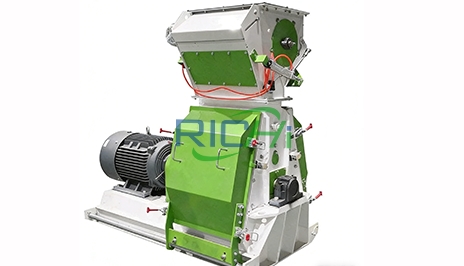
Vertical Crusher
Primarily used to crush large raw materials into fine particles, facilitating subsequent mixing and pelleting stages.
- Equipment Name :Vertical Crusher
More →
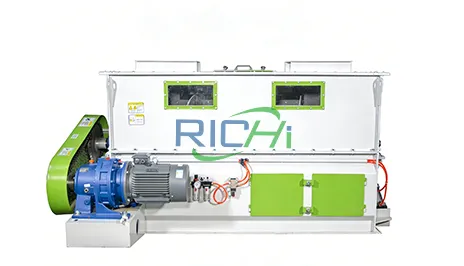
Ribbon Mixer
The strip-type mixer mixes materials by driving them with the counter-rotating inner and outer belts.
- Equipment Name :Ribbon Mixer
- Power :4 kW
- Capacity :0.5 m³
More →
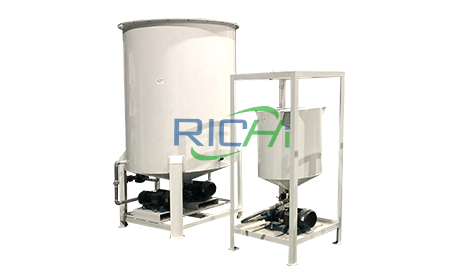
Liquid Additive System
Designed to incorporate liquid additives (e.g., molasses, oils, enzymes, microbial solutions) into the material.
- Equipment Name :Liquid Additive System
- Capacity :1-2 m³
More →

Trough-Type Turner
Designed for aerobic fermentation of raw materials such as livestock and poultry manure, sludge, and sugar mill filter mud, to enhance the quality of the final organic fertilizer product.
- Equipment Name : Trough-Type Turner
More →
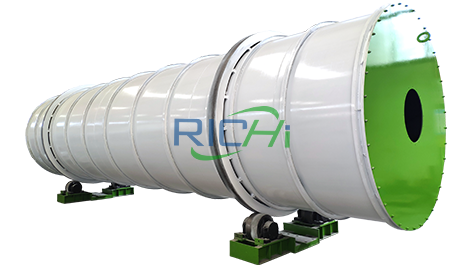
Rotary Dryer
Mainly used to dry materials to an optimal moisture content, facilitating better granulation and meeting the moisture requirements of the finished product.
- Equipment Name :Rotary Dryer
- Lifting Flight Thickness :6.13 mm
More →
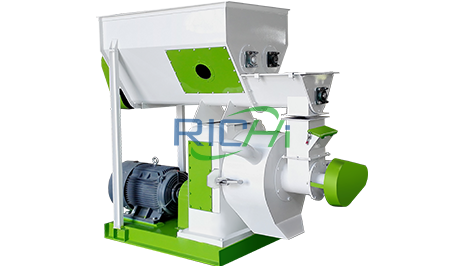
Organic Fertilizer Granulator
It is primarily used to pelletize the material into finished organic fertilizer via dual-roller extrusion.
- Equipment Name :Organic Fertilizer Granulator
- Output :1 -26 T/H
- Power :22 – 250 KW
More →
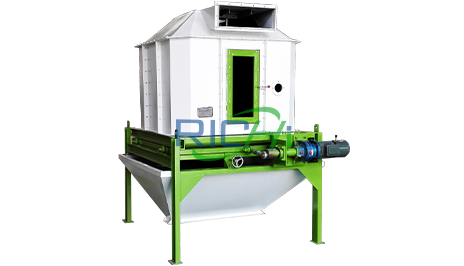
Cooler
Mainly used to cool the granulated organic fertilizer products, increasing granule hardness and facilitating subsequent packaging.
- Equipment Name :Cooler
- Output :1 – 40 T/H
- Power :1.5 – 2.2 kW
More →

Rotary Grading Screen
Primarily used for screening pellets before packaging.
- Equipment Name :Rotary Grading Screen
- Output :2 – 50 T/H
- Power :0.18 – 0.55 kW
More →
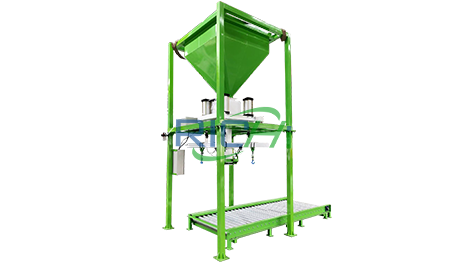
Bagging Scale & Heat Sealer
Primarily used for weighing finished organic fertilizer, bagging the product, and sealing the bags.
- Equipment Name :Bagging Scale & Heat Sealer
- Output :2–8 bags/min
More →
Video of Organic Fertilizer Production Line
RICHI organic fertilizer production lines offer customized solutions tailored to client requirements. For your reference, we provide two video examples below: one showcasing an organic fertilizer production plant in Thailand, and another detailing a production line specifically designed for chicken manure fertilizer.
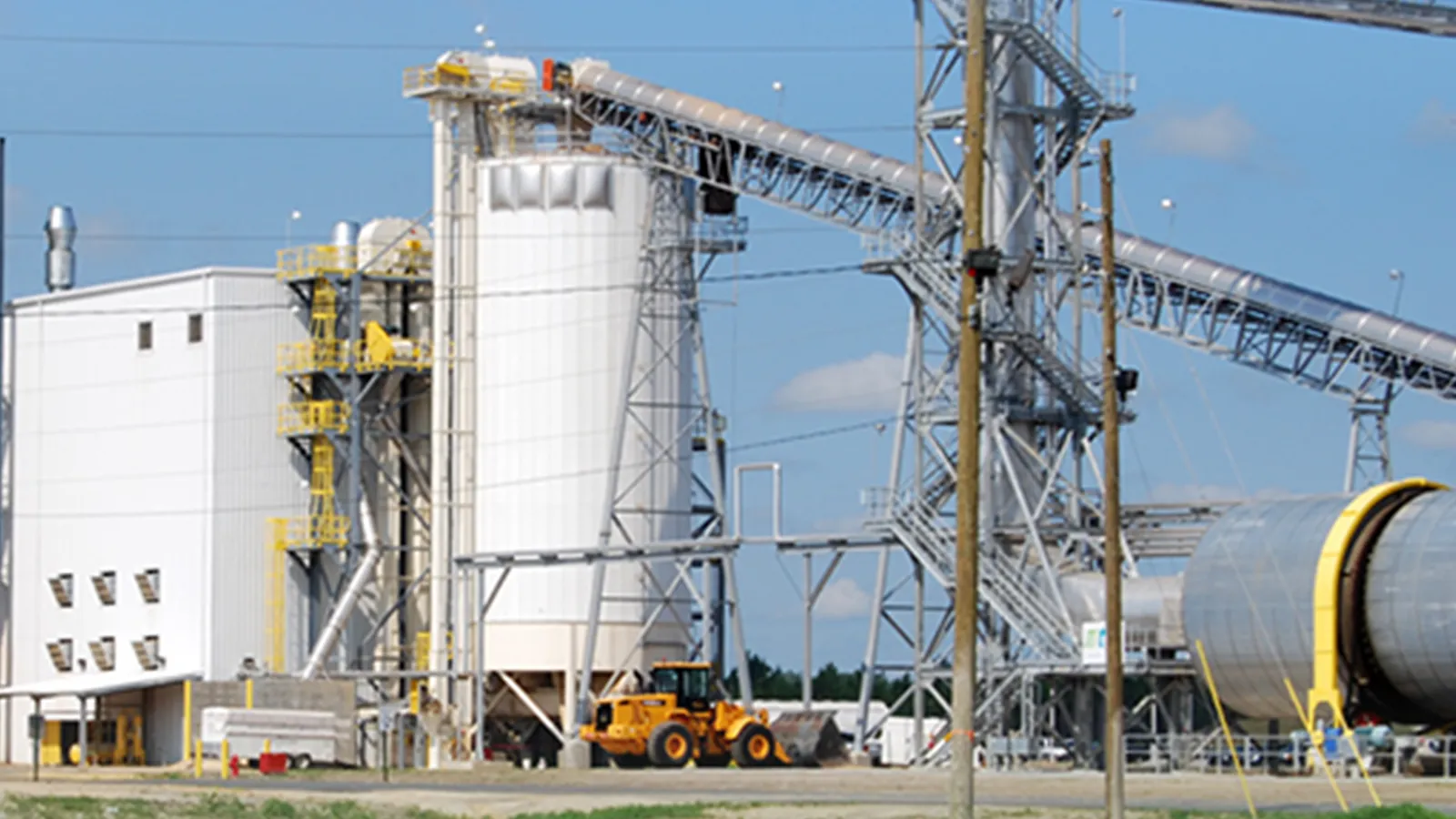
organic fertilizer production plant in Thailand
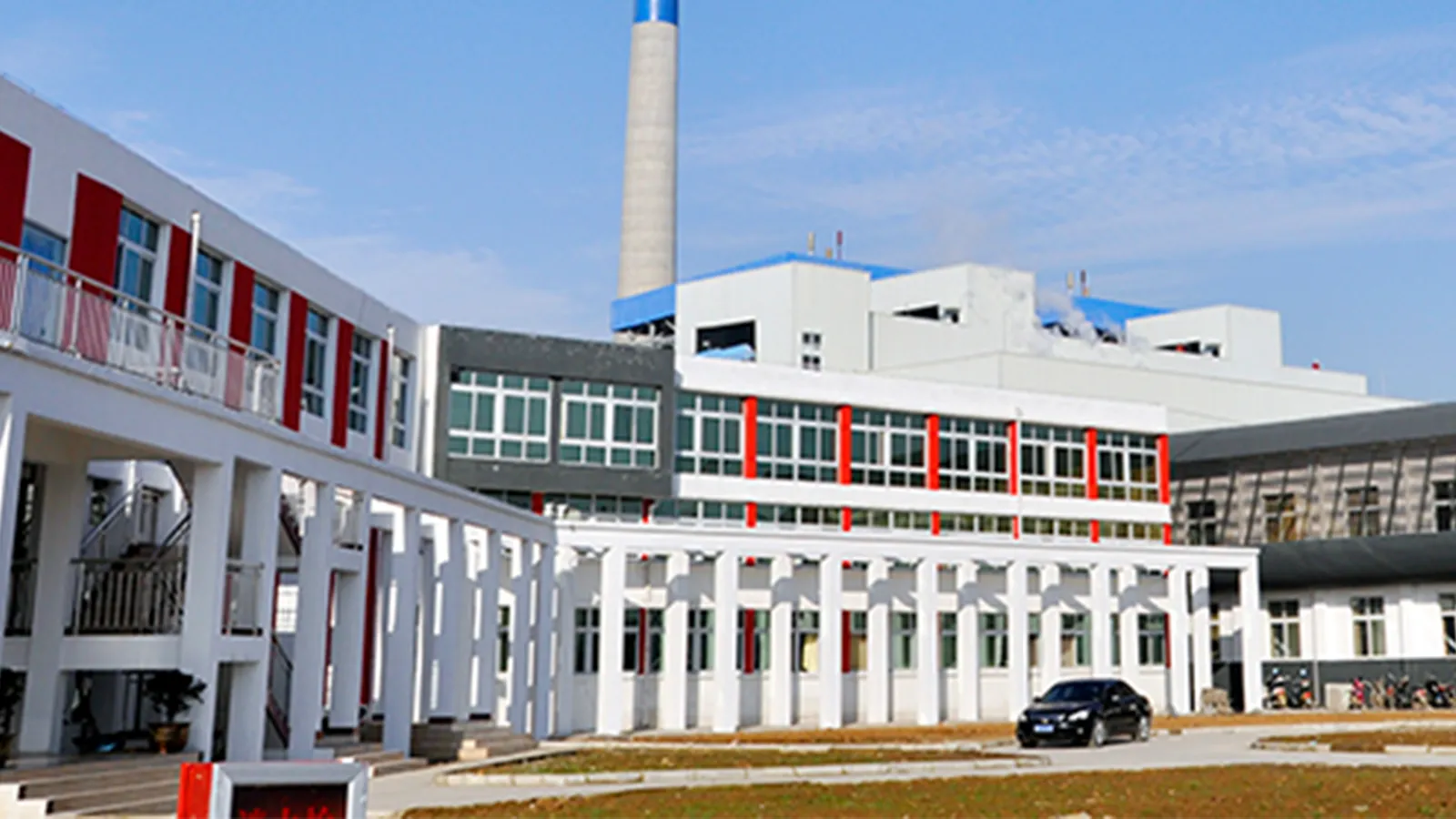
Chicken Manure Organic Fertilizer Production Line Test Run
Organic Fertilizer Production Line Projects
To date, RICHI has successfully delivered over 100 organic fertilizer production line projects, with our business footprint spanning more than 70 countries—including but not limited to the United States, Brazil, India, France, the Netherlands, Thailand, Russia, and Mexico.
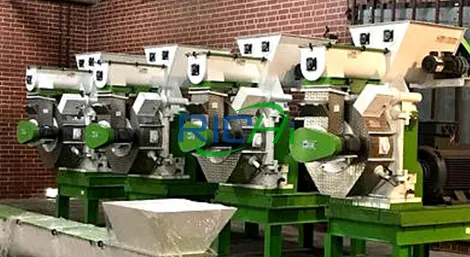

15 T/H Organic Fertilizer Production Line in the USA
This line serves a large local livestock farming enterprise. It primarily uses dairy and beef cattle manure, supplemented with corn stalks and wheat straw, to manufacture organic fertilizer pellets for soil amendment. The total investment was $530,000.
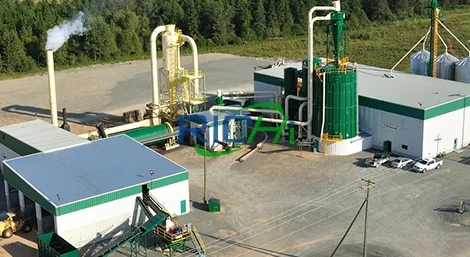

8 T/H organic fertilizer production plant in Brazil
This project is a collaboration between a sugarcane ethanol plant and a ranch. The line mixes cattle manure with large amounts of bagasse to produce 4–6 mm organic fertilizer granules. The output is used on their sugarcane plantations, with the surplus sold to local distributors.
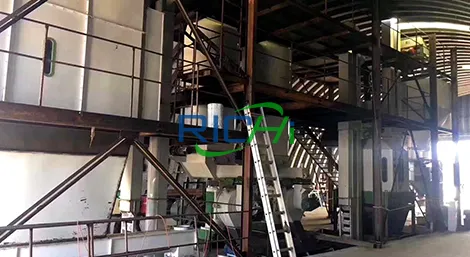

5 T/H Organic Fertilizer Production Line in India
This line caters to a local farmers’ cooperative. Using raw materials such as buffalo dung, cow dung, rice husks, and other agricultural waste, it produces organic fertilizer with a particle size of 4 mm. The product is supplied to local organic vegetable farms and tea plantations.
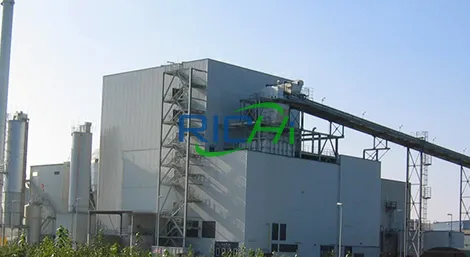

8 T/H bio organic fertilizer production line in France
This line serves a large local mixed-cropping farm. It primarily uses dairy cattle manure, pig manure, wheat straw, and similar materials to produce organic fertilizer granules with a particle size of 3–4 mm. The total investment was $230,000.
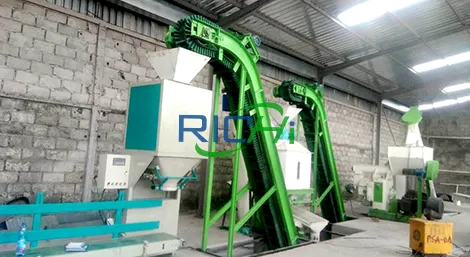

3 T/H Organic Fertilizer Production Line in Australia
This line is commissioned by a livestock company. Using sheep manure, cattle manure, and partial forestry waste as raw materials, it turns out organic fertilizer granules with a particle size of 4–6 mm. The total investment was $70,000.
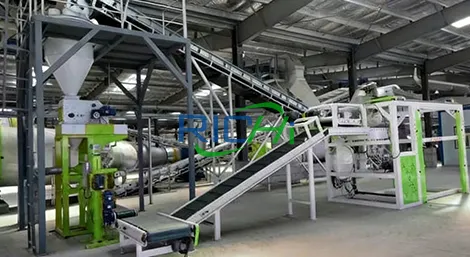

6 T/H organic fertilizer production plant in Poland
This line is tailored for a large local pork producer. Using pig manure, poultry manure, and grain straw as the main raw materials, it produces granules with a particle size of 4–5 mm. The total investment was $220,000.
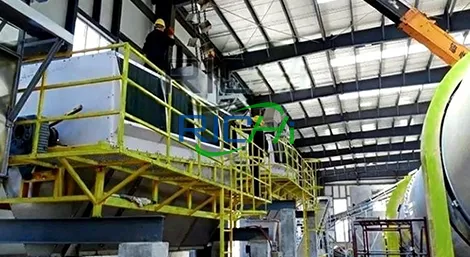

4 T/H organic fertilizer production plant in Argentina
This line serves a large ranch. It mixes cattle manure with wheat straw to produce fertilizer granules with a particle size of 4 mm. The product is mainly used for pasture reclamation and the cultivation and maintenance of organic soybeans. The total investment was $150,000.
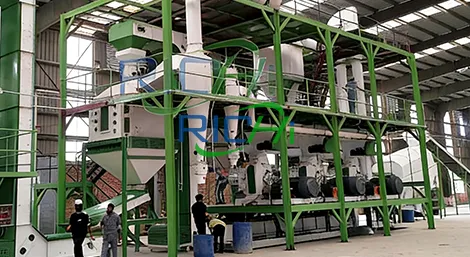

20 T/H bio organic fertilizer production line in Russia
This line strategically serves a large local agricultural enterprise group and efficiently uses various raw materials including cattle manure, poultry manure, peat, and straw to produce high-quality granules with a particle size of 4–5 mm. The overall total investment was $720,000.
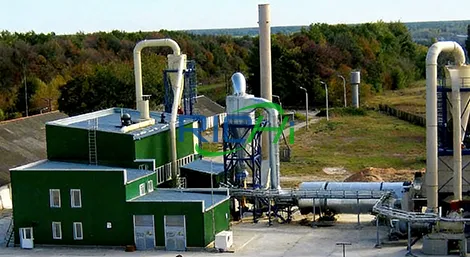

10 T/H Organic Fertilizer Production Line in Thailand
This line is dedicated to a large local cassava processor. It primarily uses cassava peel and starch processing sludge as raw materials, which have a moisture content of 78%–82%. The entire production line is equipped with specialized dewatering and drying equipment.
RICHI Footprint

NORTH AMERICA
EUROPE
SOUTH AMERICA
AFRICA
ASIA
OCEANIA

RICHI services

RICHI organic fertilizer production lines offer exclusive one-on-one customization services, leveraging high-performance equipment to help you produce higher-quality organic fertilizer in the organic fertilizer manufacturing sector.
For 30 years, RICHI has continuously achieved breakthroughs in core technologies, designing more practical, durable, high-quality, and efficient granulation equipment for production lines. Meanwhile, we have established a reliable after-sales team to respond to your inquiries within 48 hours.
Brand Commitment
From initial consultation to plan finalization, from equipment production to complete line installation, RICHI will safeguard your interests at every stage.

Even after the production line is commissioned, the RICHI sales team will maintain regular follow-up communication to partner with you in building a brilliant future for your enterprise.
Customized Organic Fertilizer Production Line
What production capacity do you need for your organic fertilizer production line? RICHI offers small, medium, and large-scale customization options, allowing you to select the most suitable granulation solution.
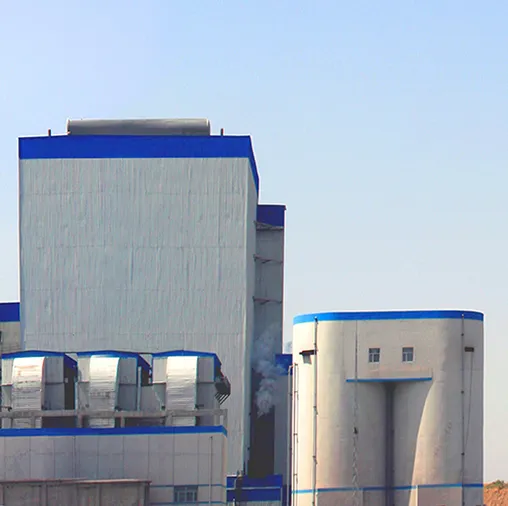
1–2 T/H bio organic fertilizer production line
Suitable for small family farms and start-up livestock farmers.Price range: $20,000–$220,000.
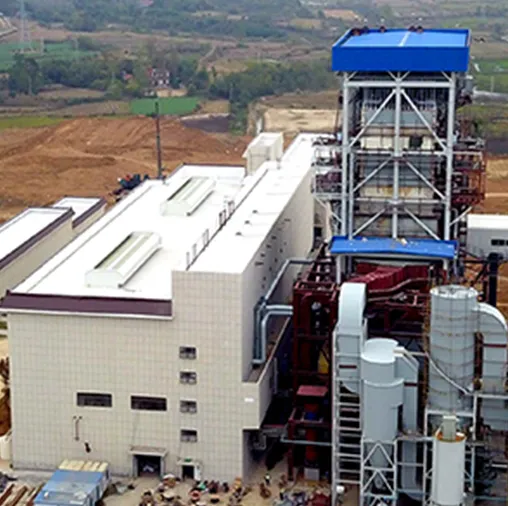
3–4 T/H Organic Fertilizer Production Line
Ideal for medium-sized family farm owners or heads of agricultural cooperatives.Price range: $40,000–$350,000.
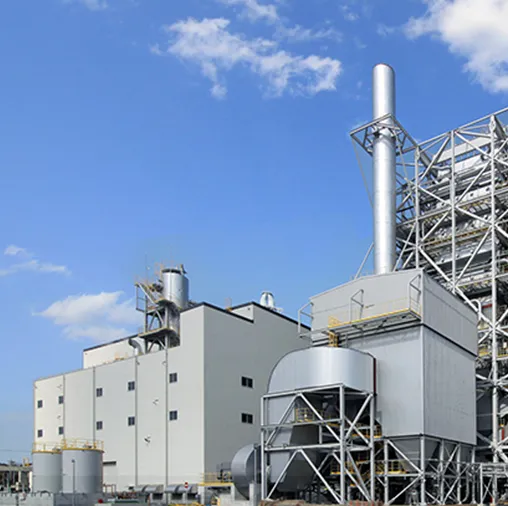
5–6 T/H bio organic fertilizer production line
The optimal choice for small fertilizer plants and regional fertilizer service providers looking to establish a tailored organic fertilizer production line.Price range: $60,000–$480,000.
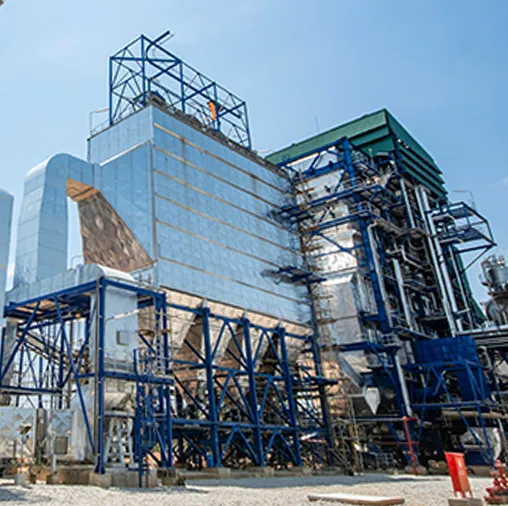
8–10 T/H Organic Fertilizer Production Line
For medium-to-large fertilizer companies and livestock groups, a production capacity of 8–10 tons per hour (T/H) can fully meet your production needs.Price range: $100,000–$600,000.
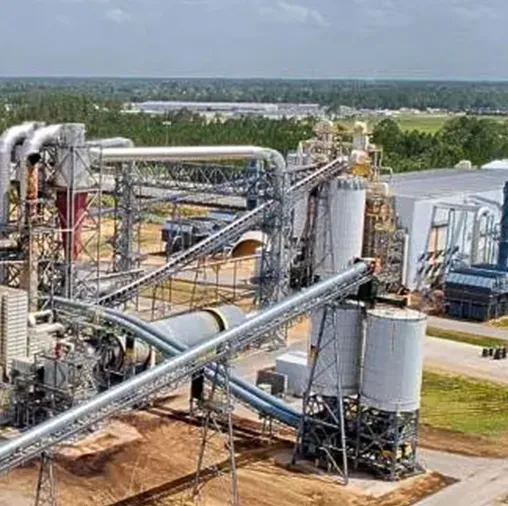
10–12 T/H organic fertilizer production plant
For industry-leading enterprises or export-oriented companies with significantly higher organic fertilizer production demands, capacities below 10 T/H may no longer be sufficient.Price range: $150,000–$800,000.
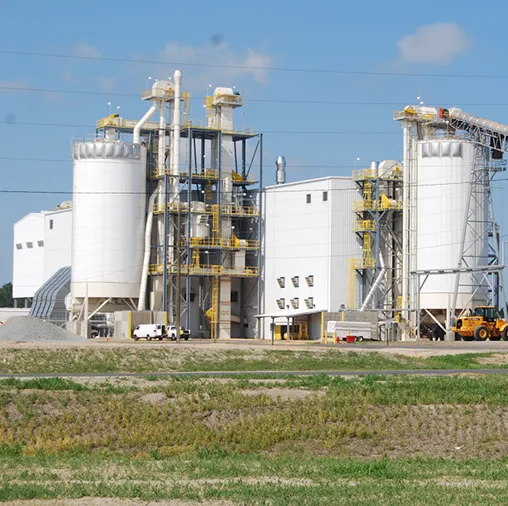
12–15 T/H Organic Fertilizer Production Line
Large fertilizer groups or national-level projects place higher demands on capacity and equipment, often requiring 24/7 continuous operation. A 12–15 T/H production line is typically the optimal solution.Price range: $200,000–$1,100,000.
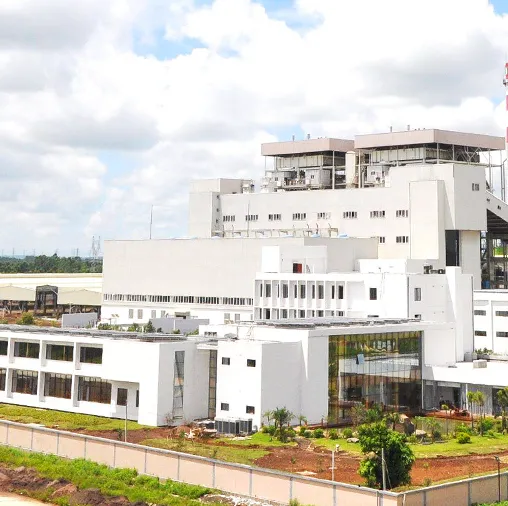
15–20 T/H organic fertilizer production plant
For multinational corporations or circular economy parks that need a single line to process various types of organic waste, this capacity is your ideal choice.Price range: $350,000–$1,500,000.
about rICHI
We are committed to providing you with high-quality, thoughtful, and professional production equipment, ensuring you can use our products with complete peace of mind and confidence.
Primary Products and Services
Customized design for complete organic fertilizer production line.
enquiry@pelletmakingmachine.com
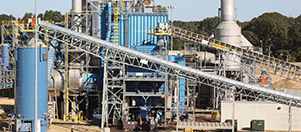
chicken manure organic fertilizer production plant
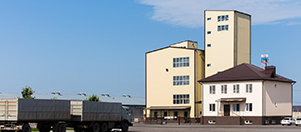
Food waste organic fertilizer production plant
RICHI has been deeply involved in the organic fertilizer production equipment industry for over 30 years.
Why Choose RICH?
RICHI’s organic fertilizer production line delivers outstanding performance. Its core equipment features key components made from high-quality stainless steel and carries CE certification, ensuring strong corrosion resistance and long-term operational stability, effectively reducing maintenance costs.
To date, RICHI has served over 2,000 clients, exporting pelleting equipment to more than 140 countries. The company provides turnkey services—from project design and installation to personnel training—delivering professional support that drives sustainable growth for your business.
Strong Raw Material Adaptability

RICHI organic fertilizer production lines offer highly strong adaptability to various organic raw materials, including fresh chicken manure, cow dung, bacterial residue, seaweed residue, and garden-grade sludge, among others. These materials can be effectively mixed in any ratio. Organic raw materials with a moisture content of 20%–45% can be widely granulated directly without requiring additional drying treatment.
Lower Energy Consumption

RICHI Machinery prioritizes advanced energy efficiency and consistently delivers superior performance. Its ring die pelletizer features a gear-flexible coupling dual drive, boosting transmission efficiency by 6–8% over belt-driven systems. With a 10T/H output, it operates at 220kW total power—overall about 15% more efficient than the industry average of 250–280kW, and performs reliably under continuous operation.
High Pelletization Rate

RICHI is dedicated to manufacturing higher-quality machinery. The FZLH series ring die pelletizer has a measured pellet formation rate of no less than 97%, with a return rate below 3%. Additionally, the low return rate consistently reduces the load on subsequent drying, cooling, and screening stages, resulting in more efficient machine operation and overall superior fertilizer quality.
Frequently Asked Questions
During the equipment procurement and operational phases of an organic fertilizer production line, several challenges are likely to be encountered. Below is a list of common questions designed to assist you.
1.What is the investment cost for an organic fertilizer production line?
+
The investment cost of an organic fertilizer production line varies based on the line’s capacity and the fertilizer form (powder or granules):
A small-scale powder line with an annual output of 5,000 T requires an investment of $21,000–$48,000.For a granule line, an additional $21,000 is needed to include granulation, drying, and cooling equipment.
A large-scale production line with an annual output of 100,000 T requires $900,000–$1.8 million.The net profit per ton of organic fertilizer is $28–$38. A 10,000 T project (excluding land and working capital) can achieve payback within 1 to 1.5 years.
2.Can my raw materials be used in RICHI’s organic fertilizer granulator?
+
Your raw materials are compatible if they include livestock and poultry manure, straw, bacterial residue, seaweed residue, sugar residue, or garden-grade municipal sludge—provided their heavy metal content complies with relevant standards. Notes:
If the raw material moisture content exceeds 65%, straw or rice husks must be added for adjustment.If the carbon-to-nitrogen (C/N) ratio is above 30, manure should be added to assist in carbon degradation.
3.How much space is required for an organic fertilizer production line?
+
Space requirements vary by production scale. For a 10,000 T granule line:
Equipment footprint: Approximately 600 m² (excluding storage areas).
Total required area (including raw material sheds and pre-processing zones): Generally 2,000 m² is sufficient.
4.What is the after-sales response time for organic fertilizer production lines?
+
You can contact us at any time if issues arise. RICHI’s after-sales support:
Domestic clients: On-site support response within 24 hours.
Overseas clients: Spare parts air-shipped within 72 hours; PLC systems support remote diagnosis.
5.How many operators are needed for an organic fertilizer production line?
+
The number of operators depends on the automation level, but typically:
Early-stage operation: Minimum 4 personnel.
Fully automated operation: Approximately 4 personnel (for monitoring and maintenance).
6.How many days does the fermentation stage take to produce fertilizer?
+
Under high-temperature aerobic fermentation conditions, the decomposition and fertilizer maturation process can be completed within 7–9 days.